Capabilities
Additive Manufacturing Capabilities Built for Defense and Aerospace Production
rp+m is a specialized thermoplastic additive manufacturing partner operating within regulated, specification-driven defense and aerospace supply chains. Our capabilities are designed around one standard: deliver quality parts that meet your parts requirements. And if something on the drawing creates risk, we tell you before we quote.
Our solutions extend beyond machine time. We bring the process knowledge, specification fluency, engineering collaboration, and quality infrastructure needed to support defense production programs from first article through sustained delivery.
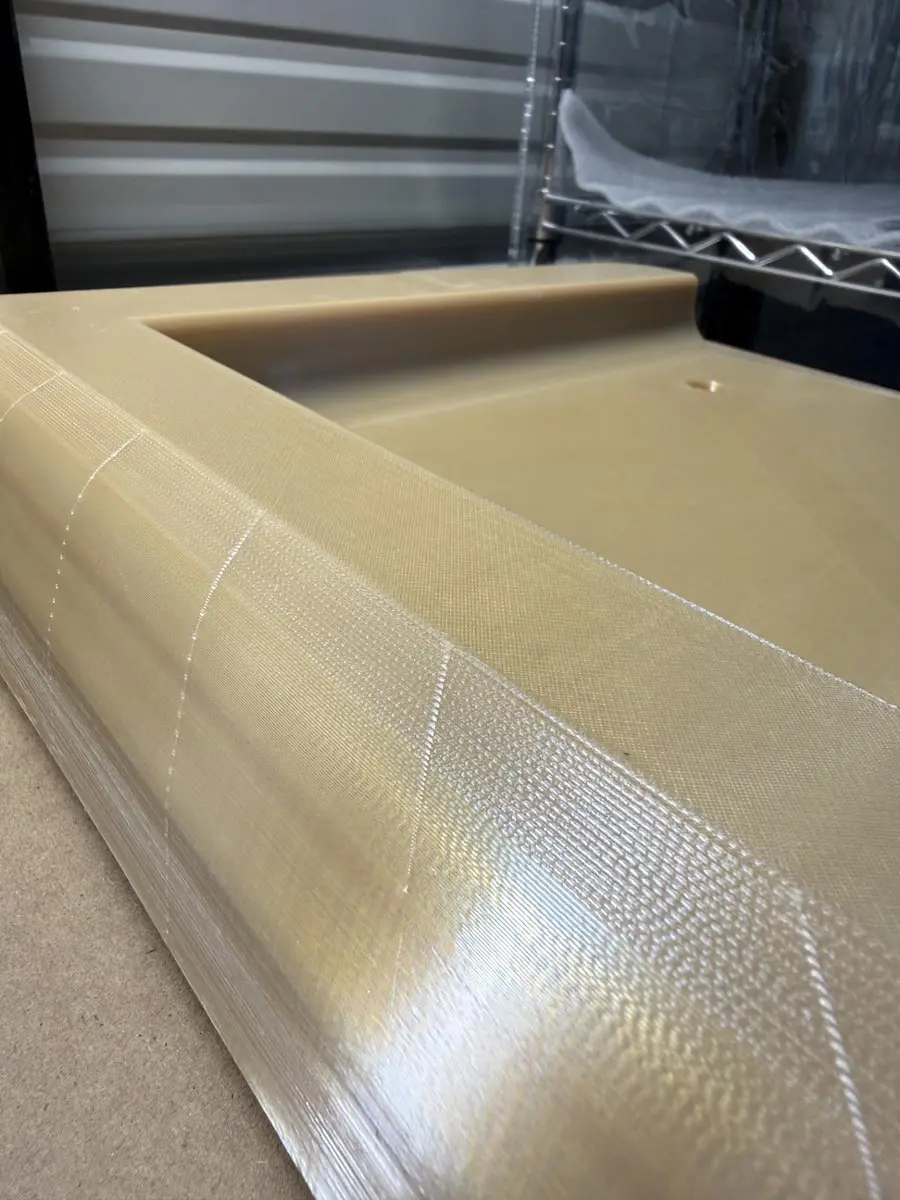
Fused Deposition Modeling (FDM) / Fused Filament Fabrication (FFF)
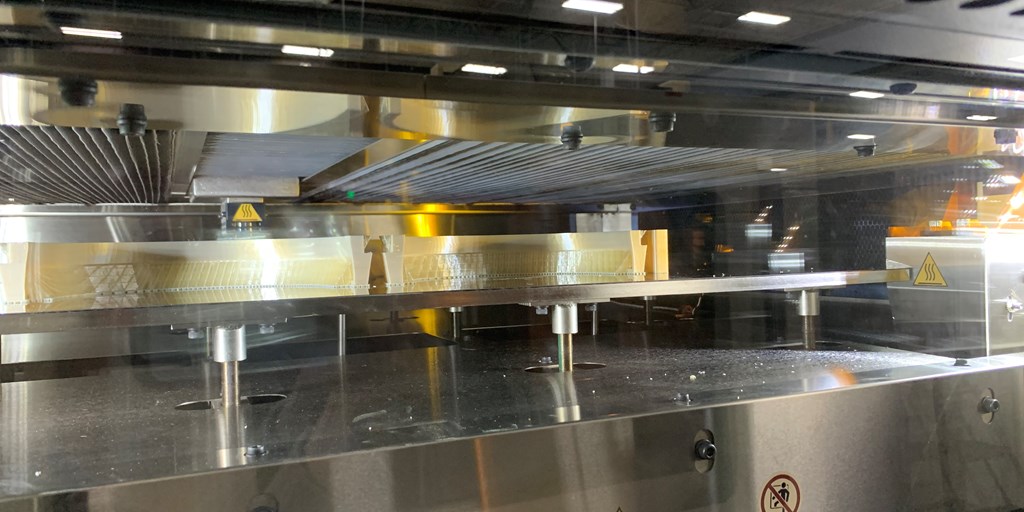
rp+m performs in-house FDM, also known as FFF, using Stratasys Fortus 900-series platforms. That platform consistency isn't incidental — it's what makes repeatable, specification-compliant output possible.. That's why we've standardized on Stratasys Fortus 900-series platforms across our entire production environment.
FDM/FFF is a mature thermoplastic additive manufacturing process well-suited to defense and aerospace production environments when executed with the right materials, controlled parameters, and process discipline. rp+m has spent years developing and refining the process controls that make this possible at production scale. And gathering the data and testing that validated FDM's reliability for defense applications at the specification level.
FDM/FFF is not an approximation process at RP+M. It's a controlled manufacturing method, one that meets demanding specifications when properly characterized, documented, and maintained.

Standardized Platform

Controlled Build Environment

Documented Repeatability

Specified-Refeerence Execution
ULTEM™ 9085: The Material of Choice for Defense and Aerospace
The majority of rp+m's defense and aerospace production work is performed using ULTEM™ 9085, a high-performance, flame-retardant polyetherimide (PEI) thermoplastic manufactured by SABIC.
Our familiarity with ULTEM™ 9085 is not incidental. rp+m led the foundational testing and data validation project that produced the report underpinning the published specifications for this material's use in defense additive manufacturing applications. That history gives us a depth of material knowledge that goes beyond published datasheets.
rp+m served as the production facility for the America Makes ULTEM™ 9085 qualification program — the multi-year effort funded by the Office of the Secretary of Defense that generated the foundational material property data behind today's defense additive manufacturing specifications. That program established that FFF systems can deliver repeatable, statistically consistent results under controlled conditions.
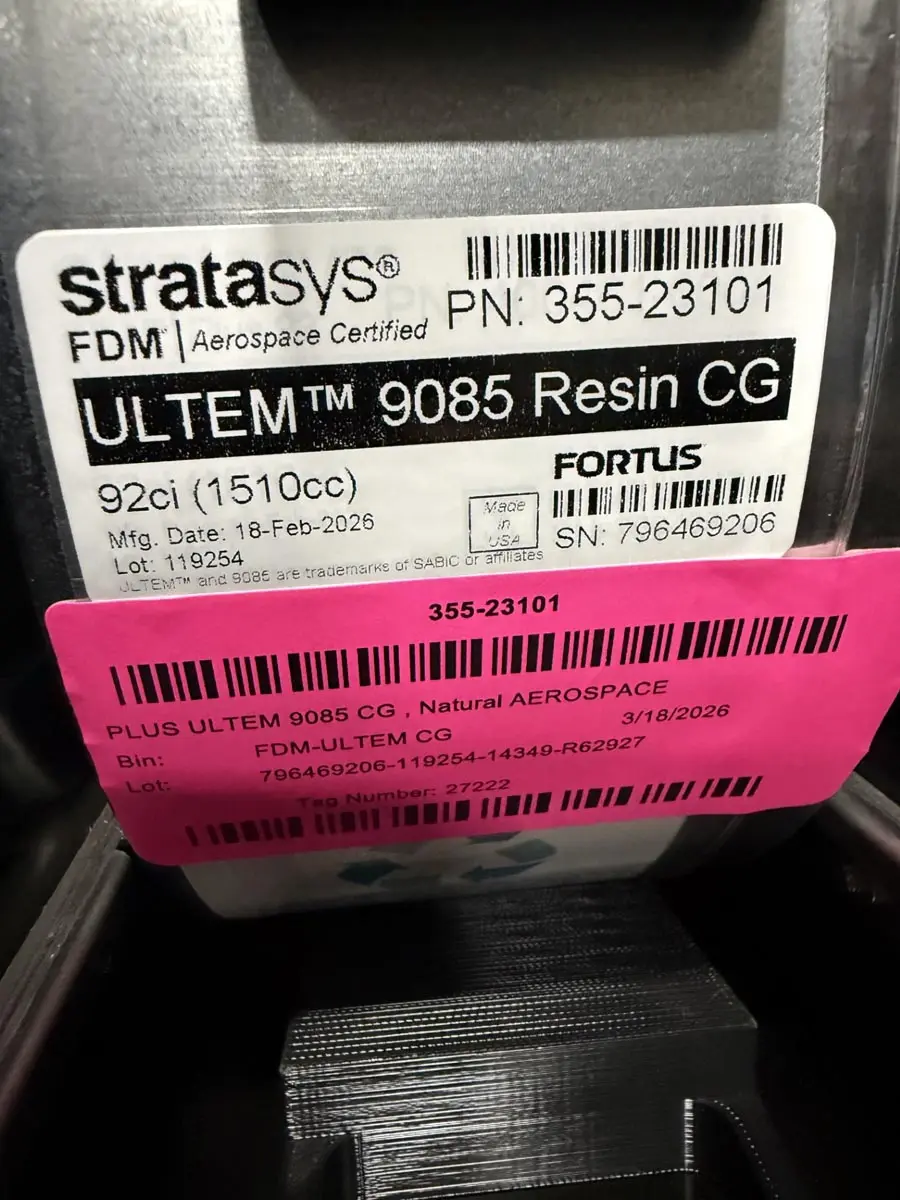
Why We Use ULTEM 9085:

Flame retardant

High strength-to-weight ratio

The broadest validated data set

Referenced in key defense

Consistent
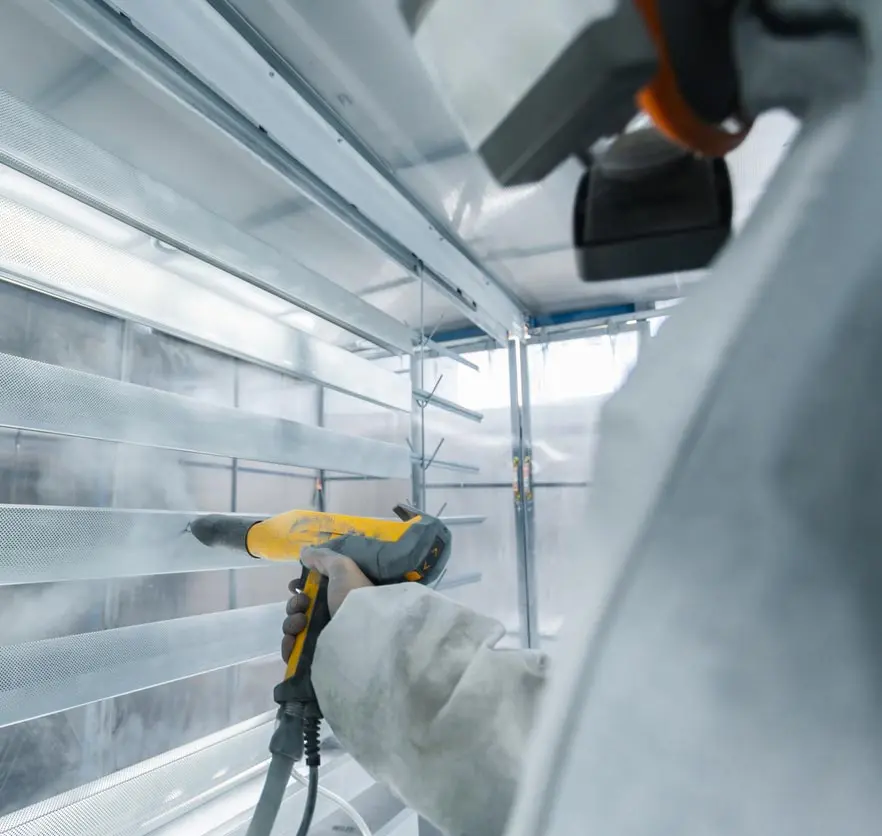
Beyond the Build: Post-Processing Capabilities

CNC Machining

Finishing

Painting

Hardware Installation

Assembly
Specification Compliance:
We Speak the Language of Defense Manufacturing
Industry Standard Specifications
NPS 89085
Customer-Derived Specifications
Certifications and Registrations

AS9100D Certified

ITAR Registered

CAGE Code 6XU36

CMMC Level 1 Self-Certified

D-U-N-S / UEI Registered
Qualified Processor Status
Quality Process: Built Into Every Job, Not Added at the End

Job Travelers

First Article Inspection (FAI)

Calibration and Measurement Control

Source Inspection Readiness

DPAS Compliance
Engineering Collaboration: We Engage Before We Quote
Before rp+m quotes a job, we review your complete technical data package and specifications. This ensures 100% on time delivery to the customer requirement.
We have helped engineering teams catch issues before they required a drawing change. In defense programs, avoiding a drawing change can save months of approvals and prevent ripple effects across an entire assembly.
This stage is not a sales pitch. Collaboration is a key part of how we work. We would rather tell you about a concern during the quote process than deliver a part that creates a problem at receiving inspection.
What Engineering Collaboration Looks Like at rp+m:
- Complete technical data package review following contracted and specification review prior to quoting
- Identification of tolerance callouts that may require machining after printing, with clear communication and proposed solutions
- Recommendations on hardware, inserts, and fastener compatibility for thermoplastic additive parts
- Manufacturability feedback during program development phases, including test part production at reduced cost to validate design assumptions
- Ongoing technical communication throughout the production relationship